Close
VASAB > News > Expert Workshop on Cumulative Impact Assessments (CIA)

Expert Workshop on Cumulative Impact Assessments (CIA)

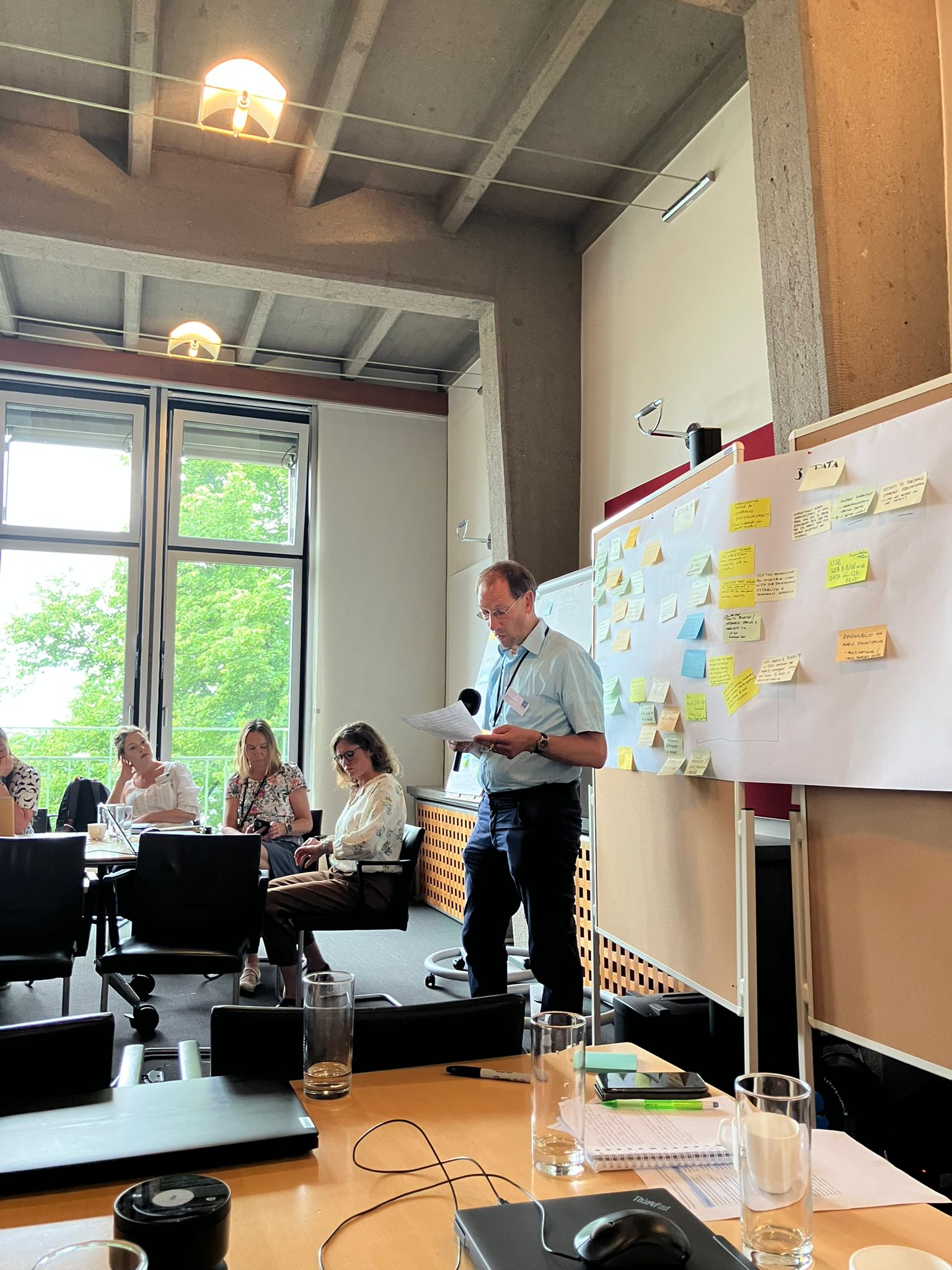
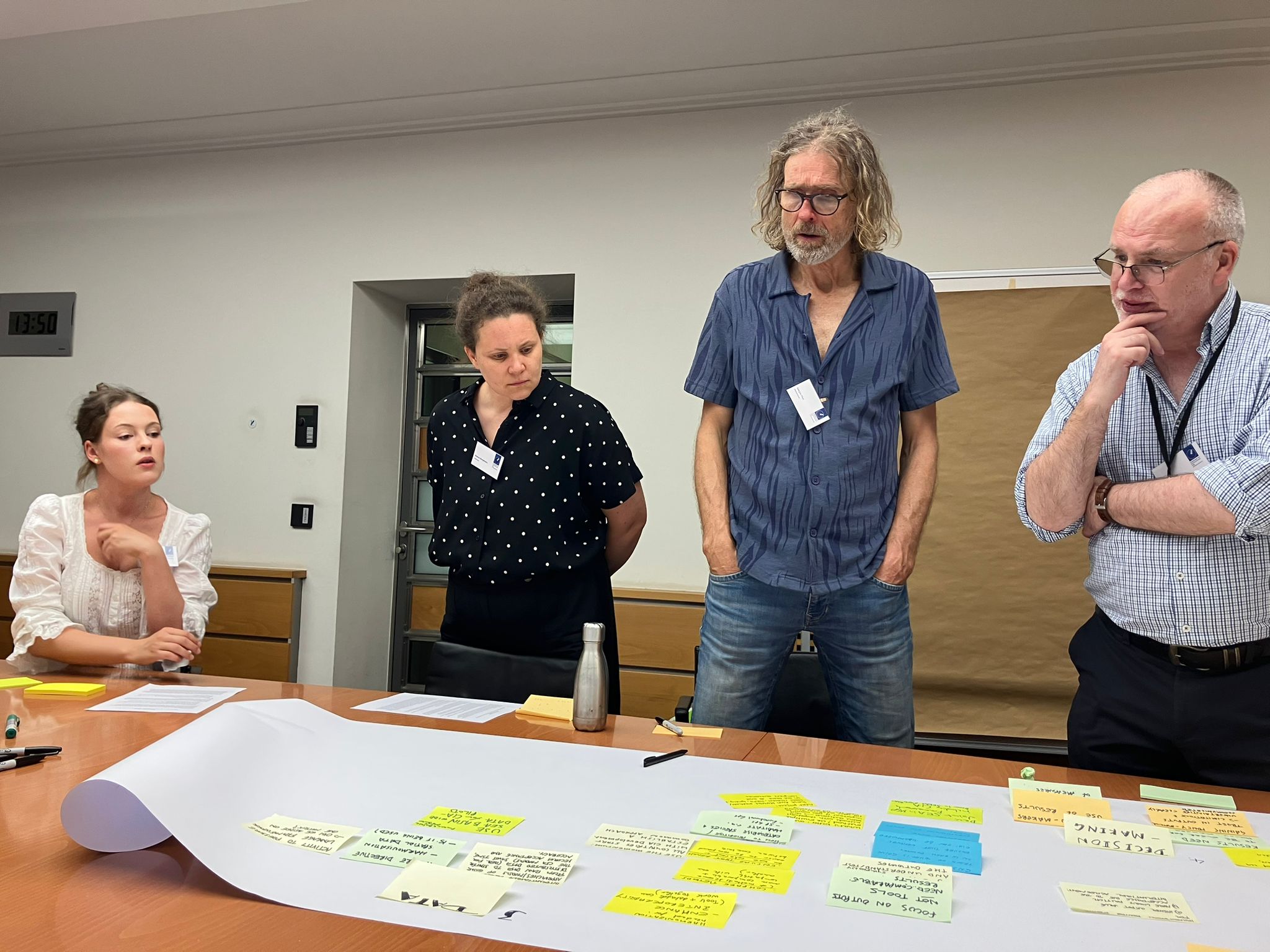
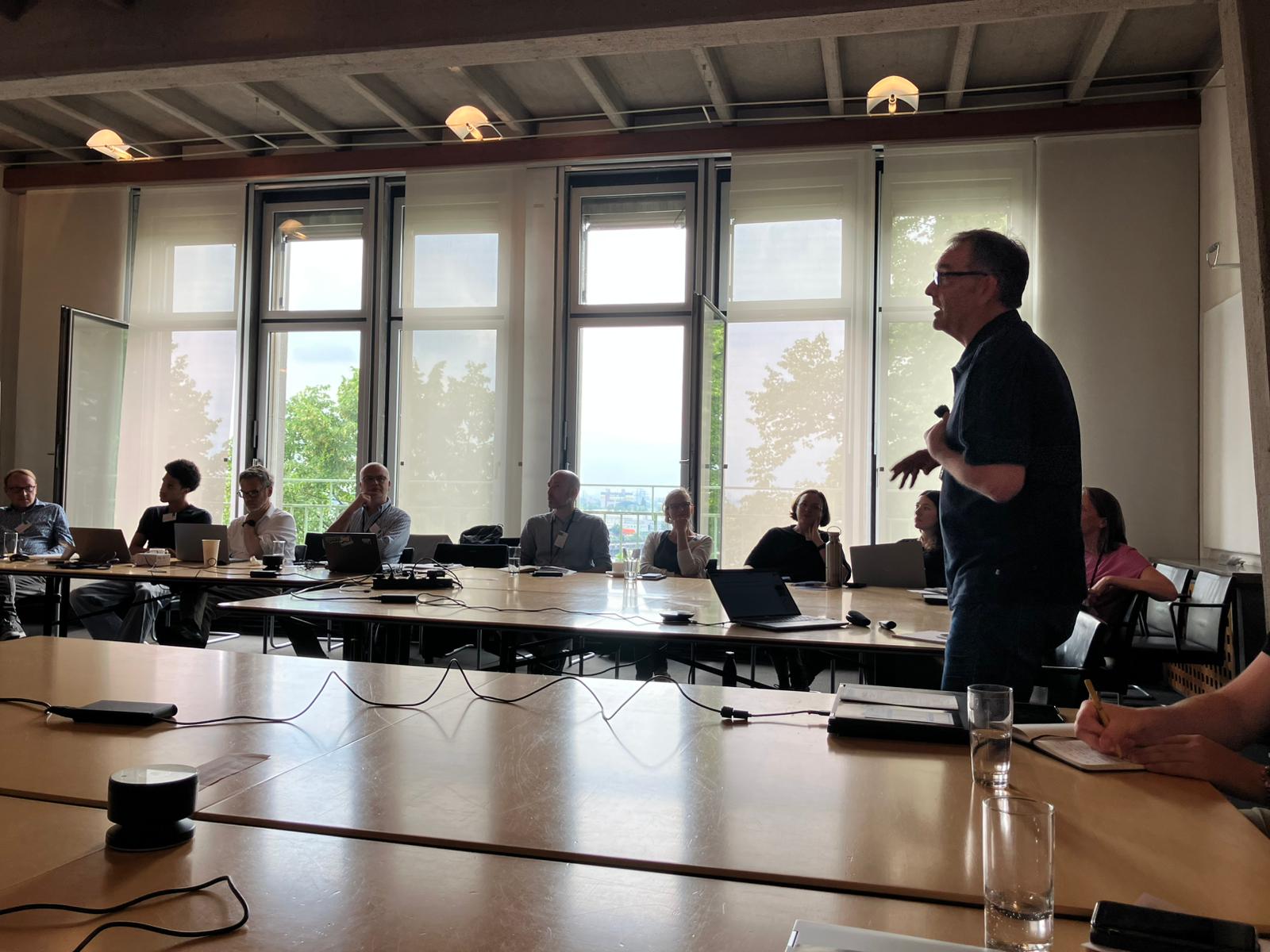
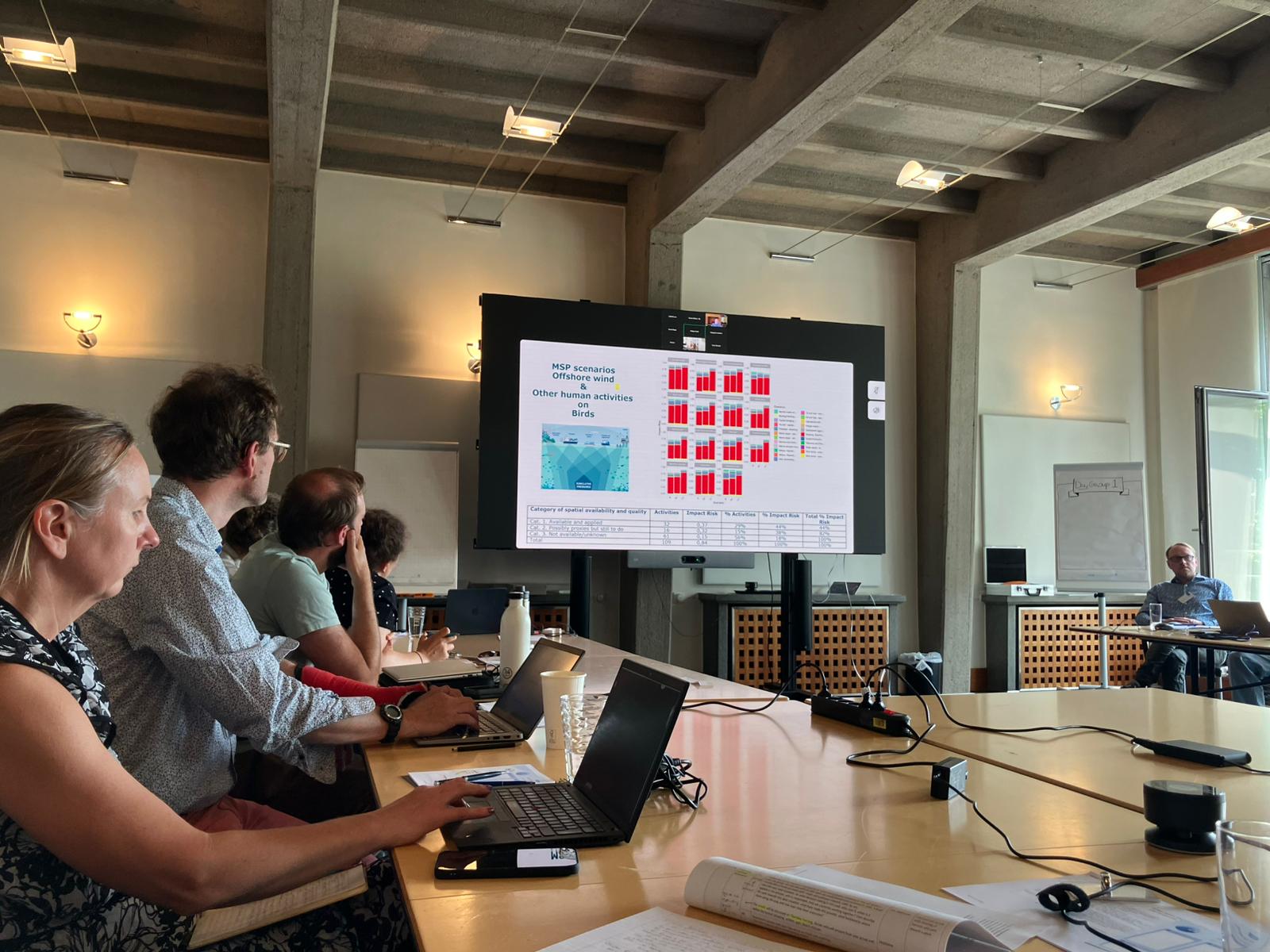
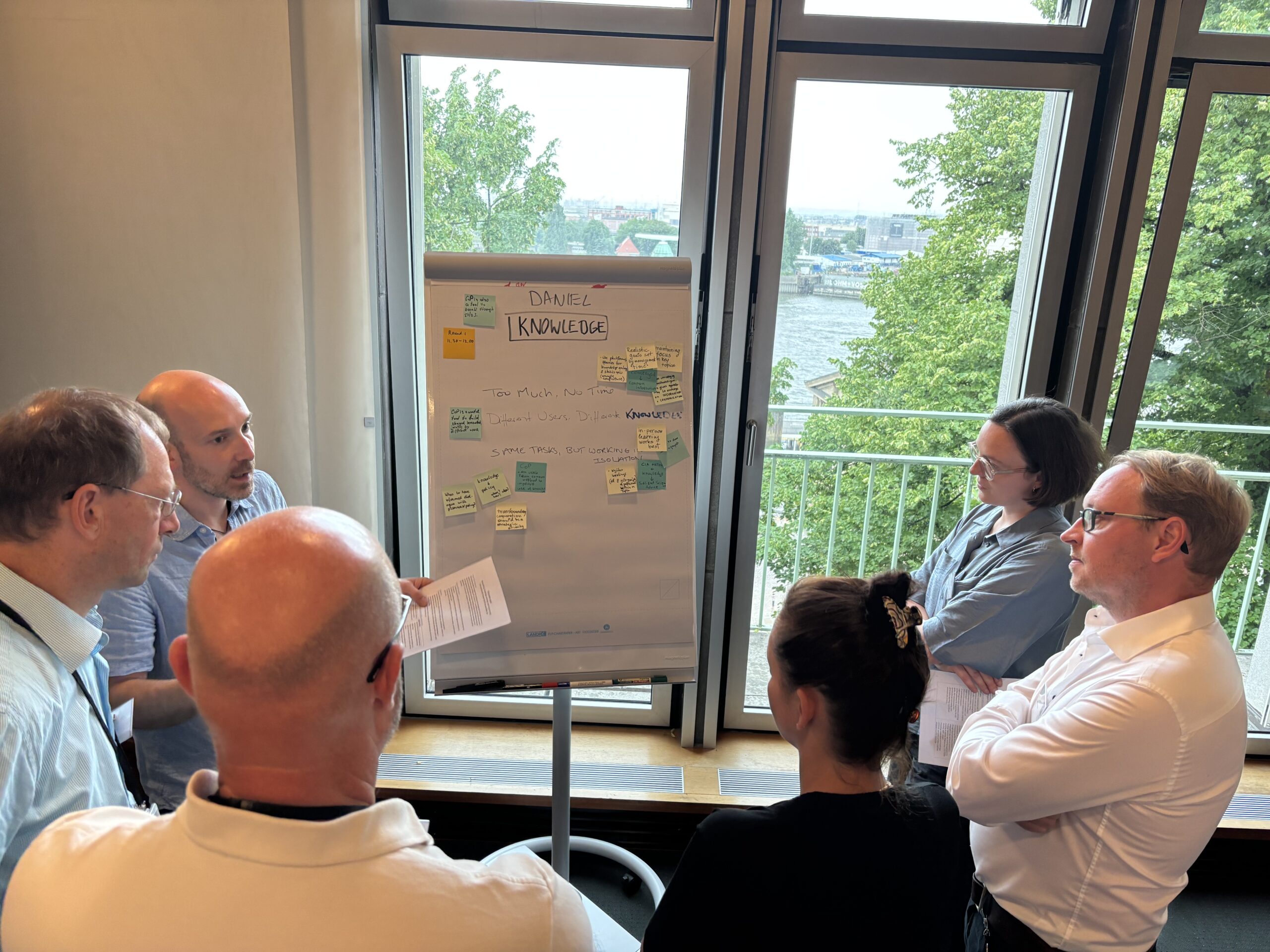
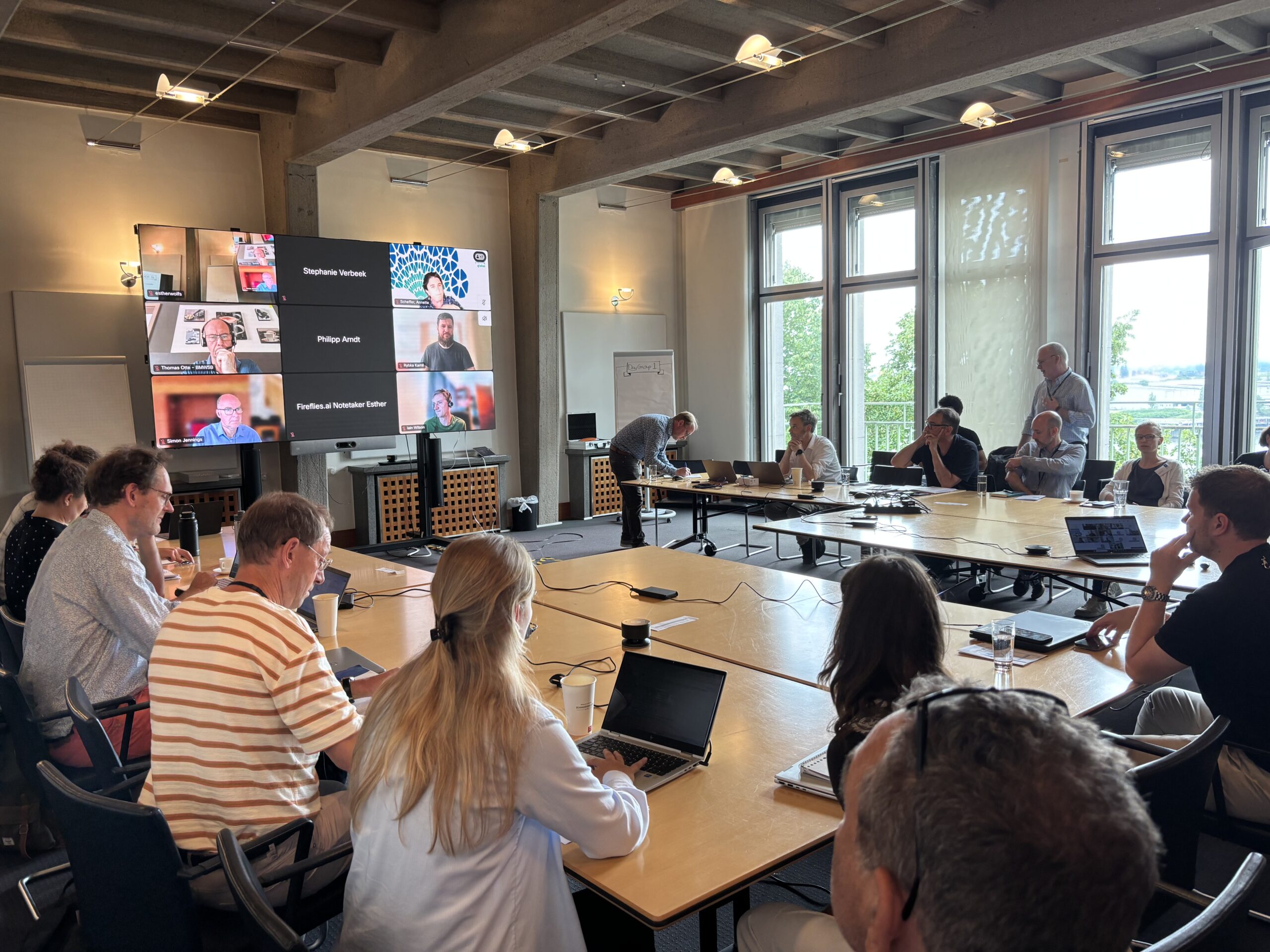
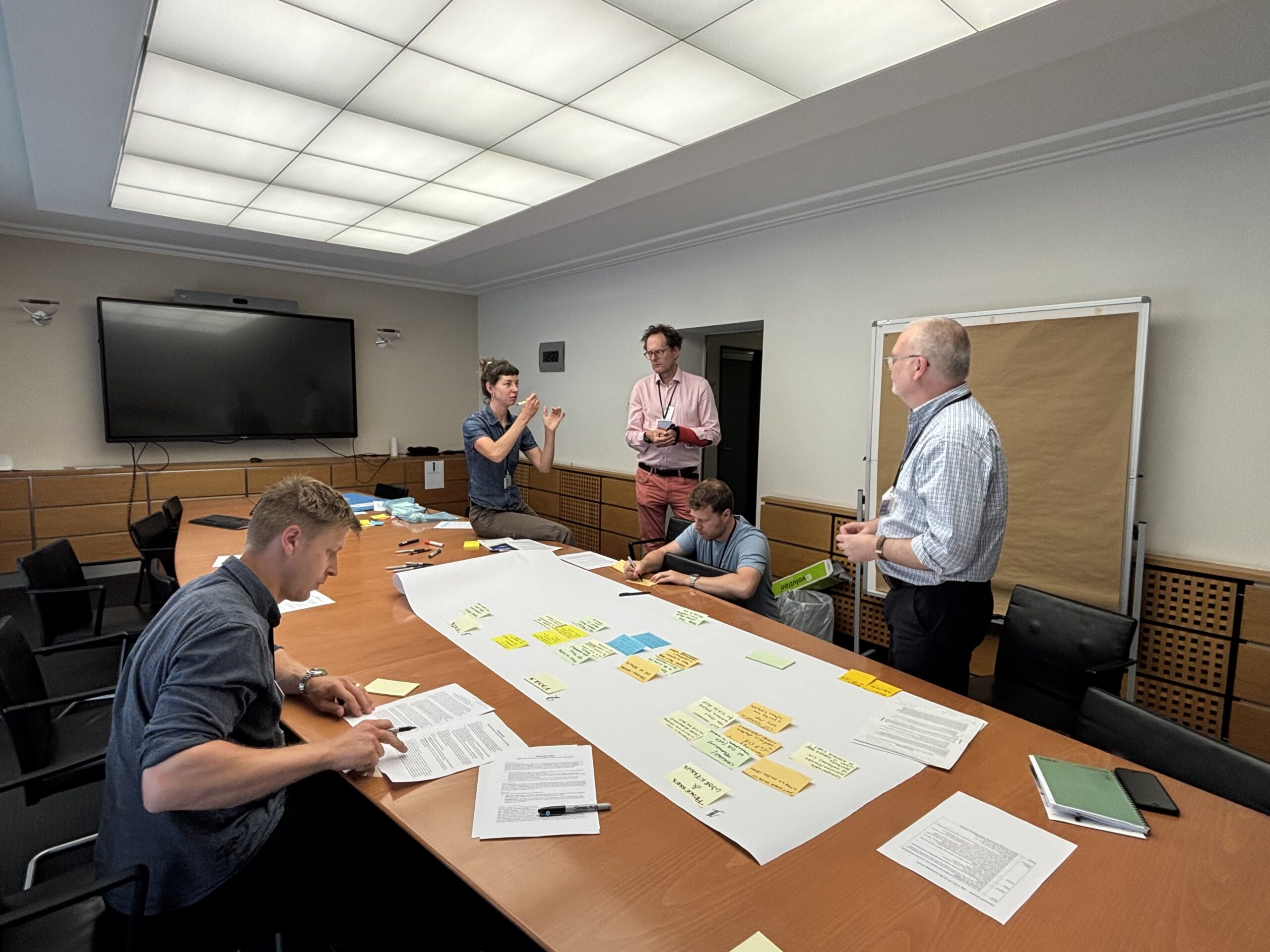
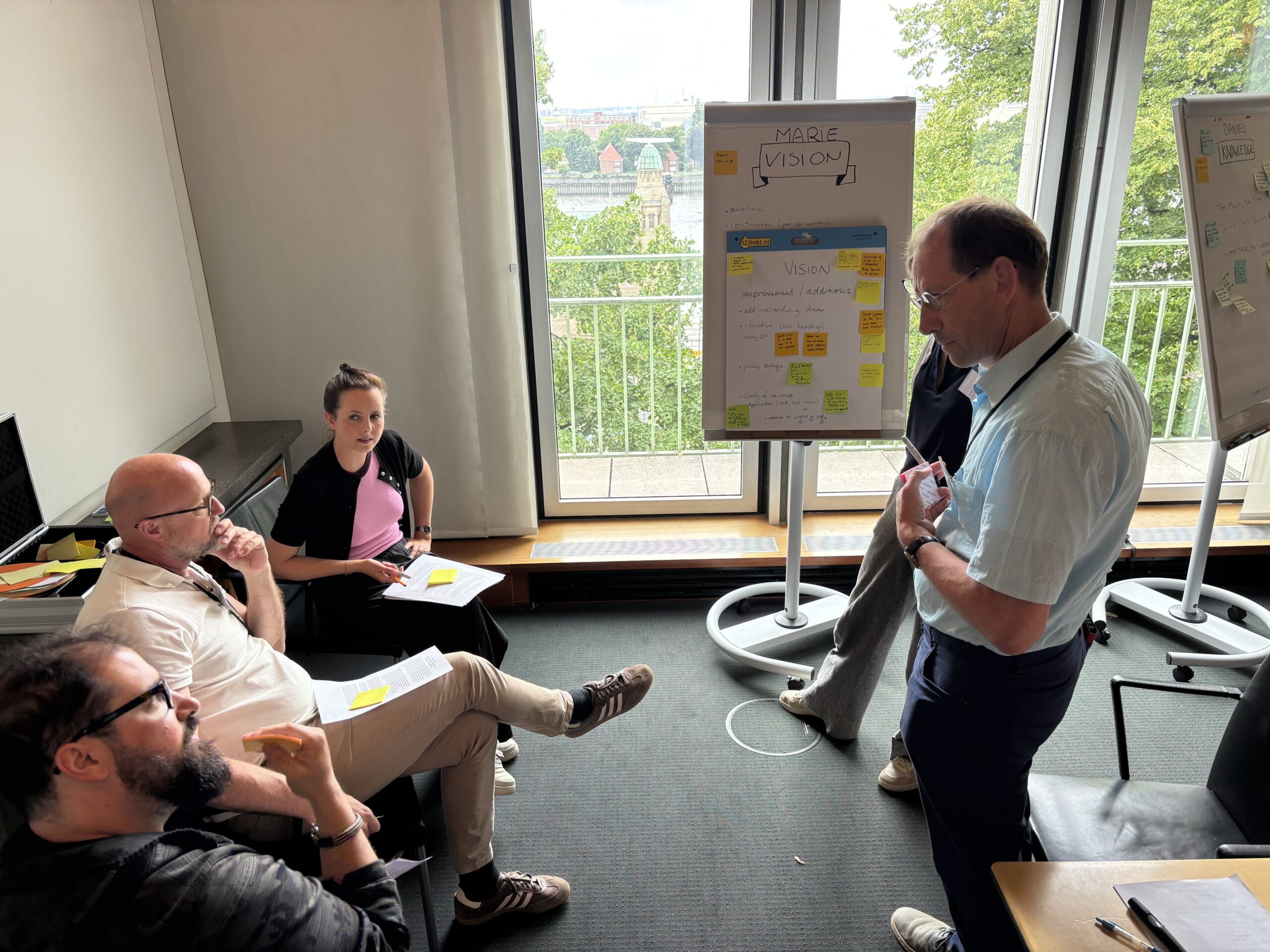
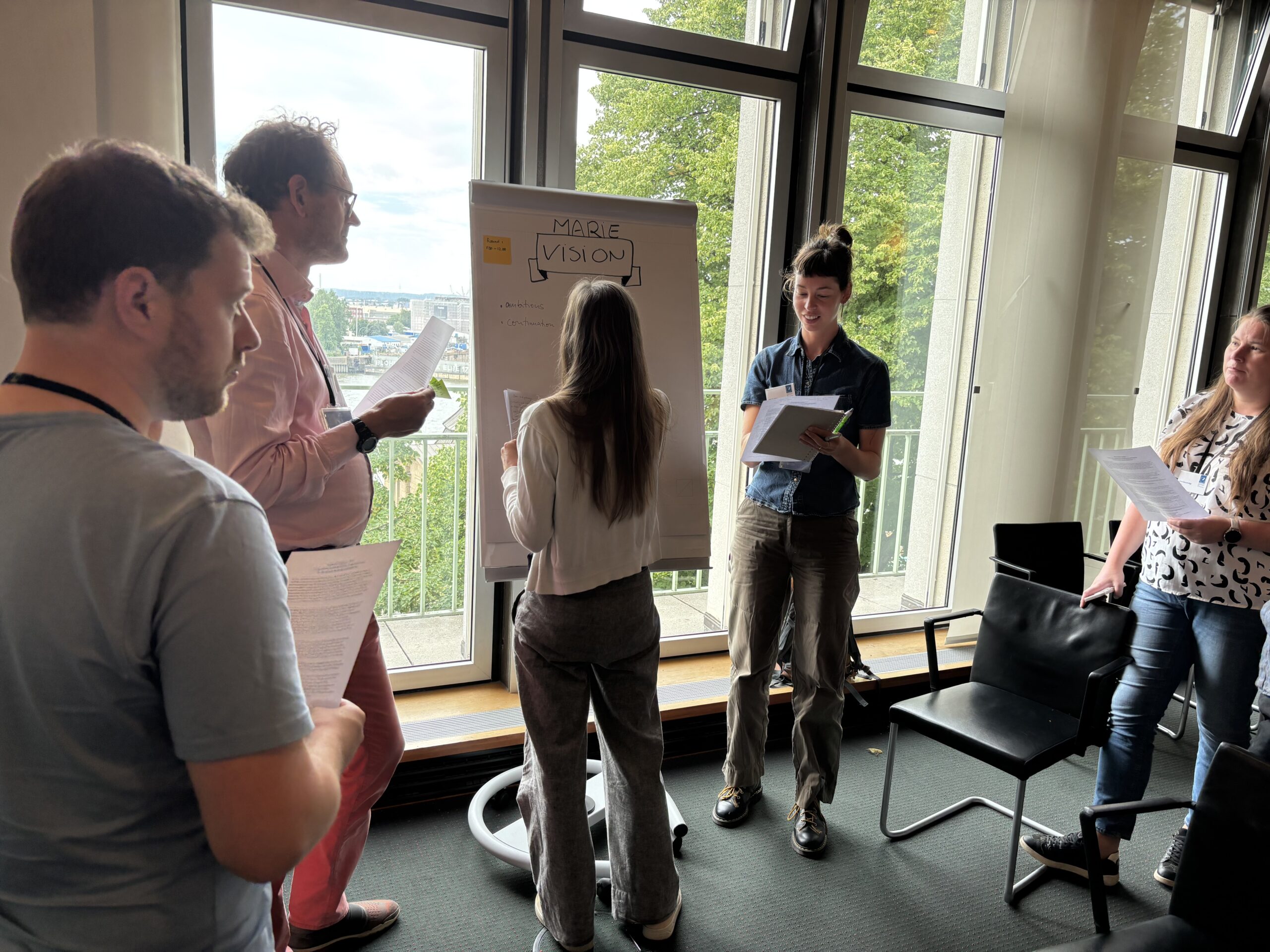
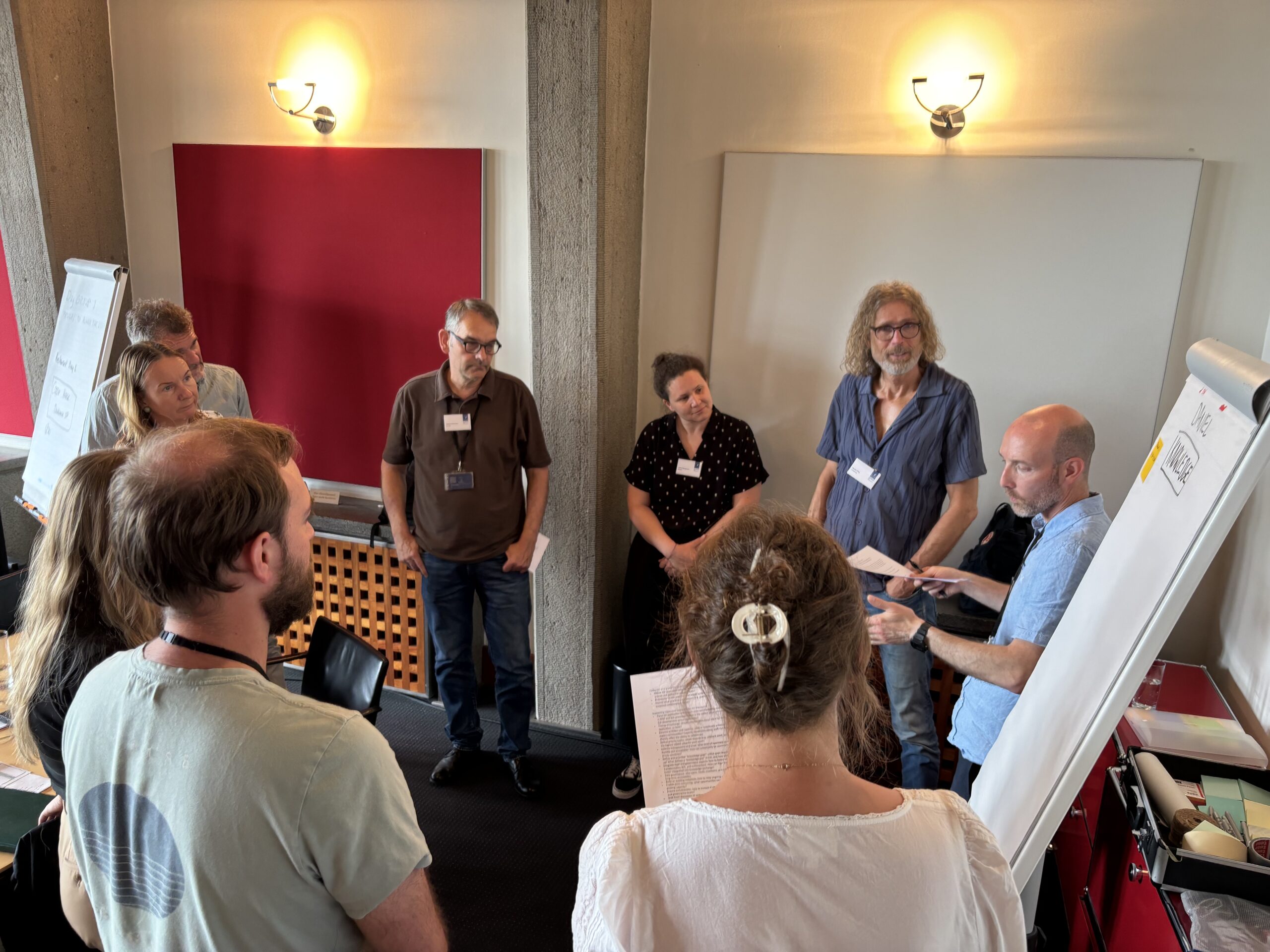
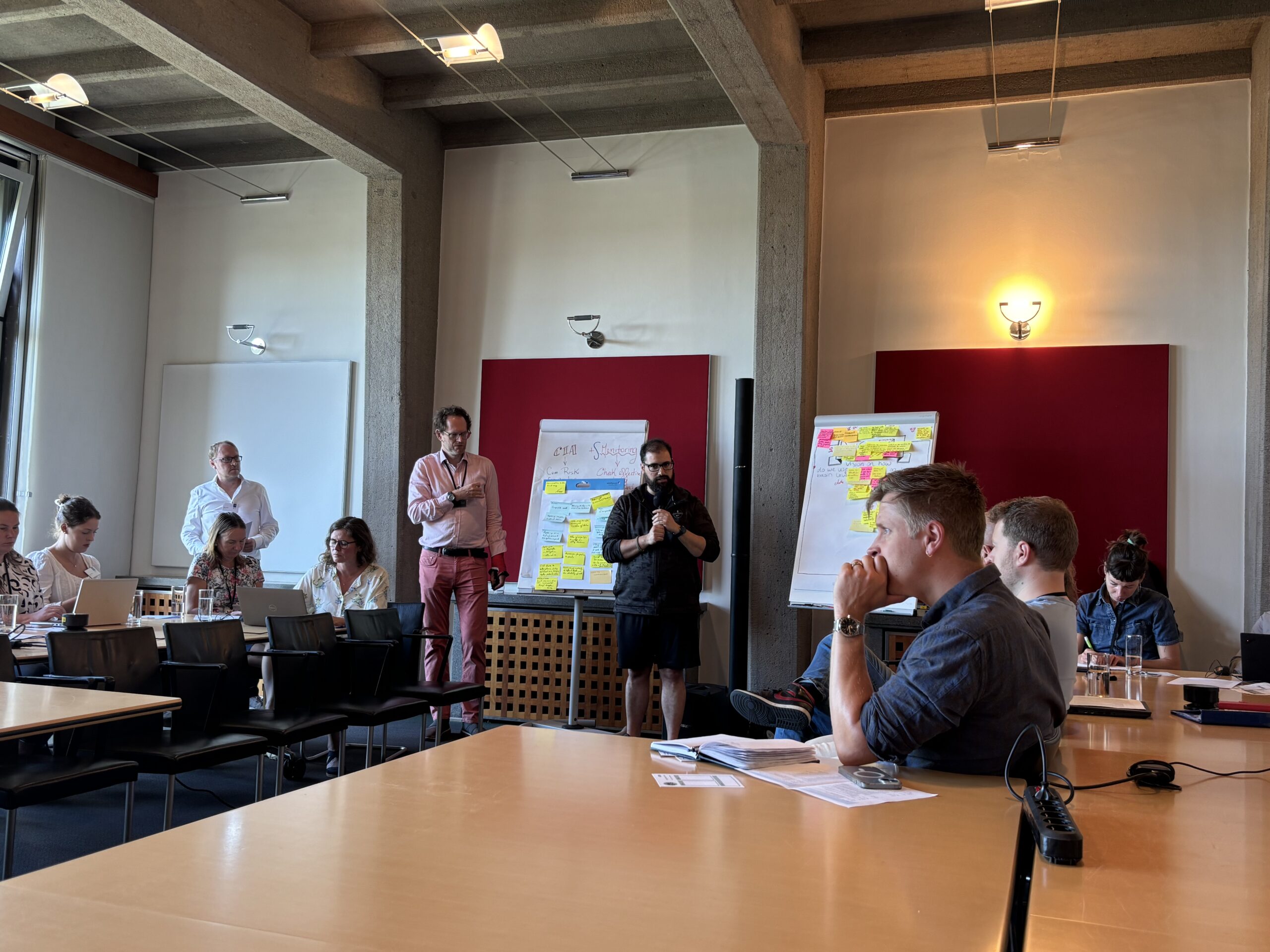
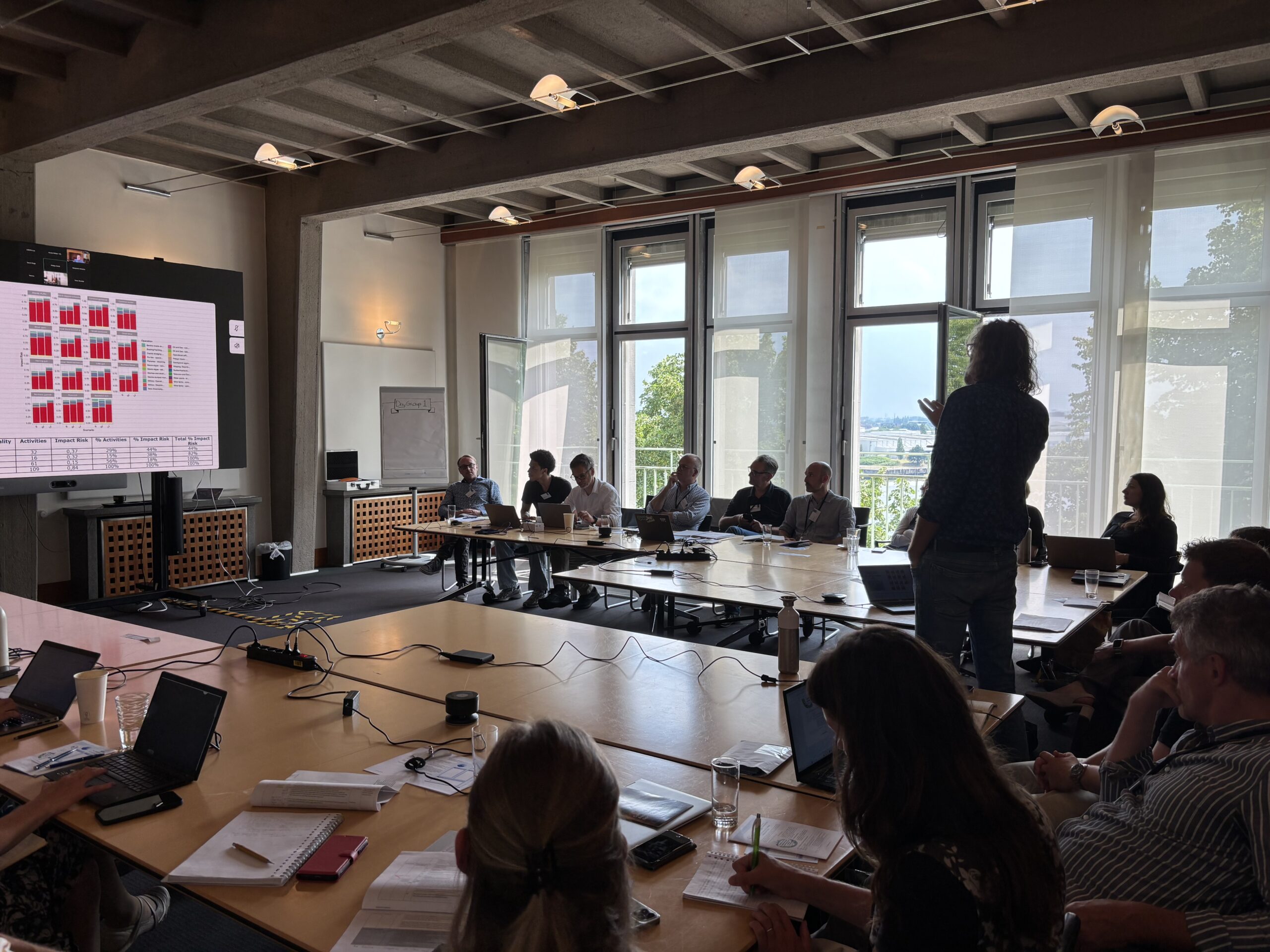
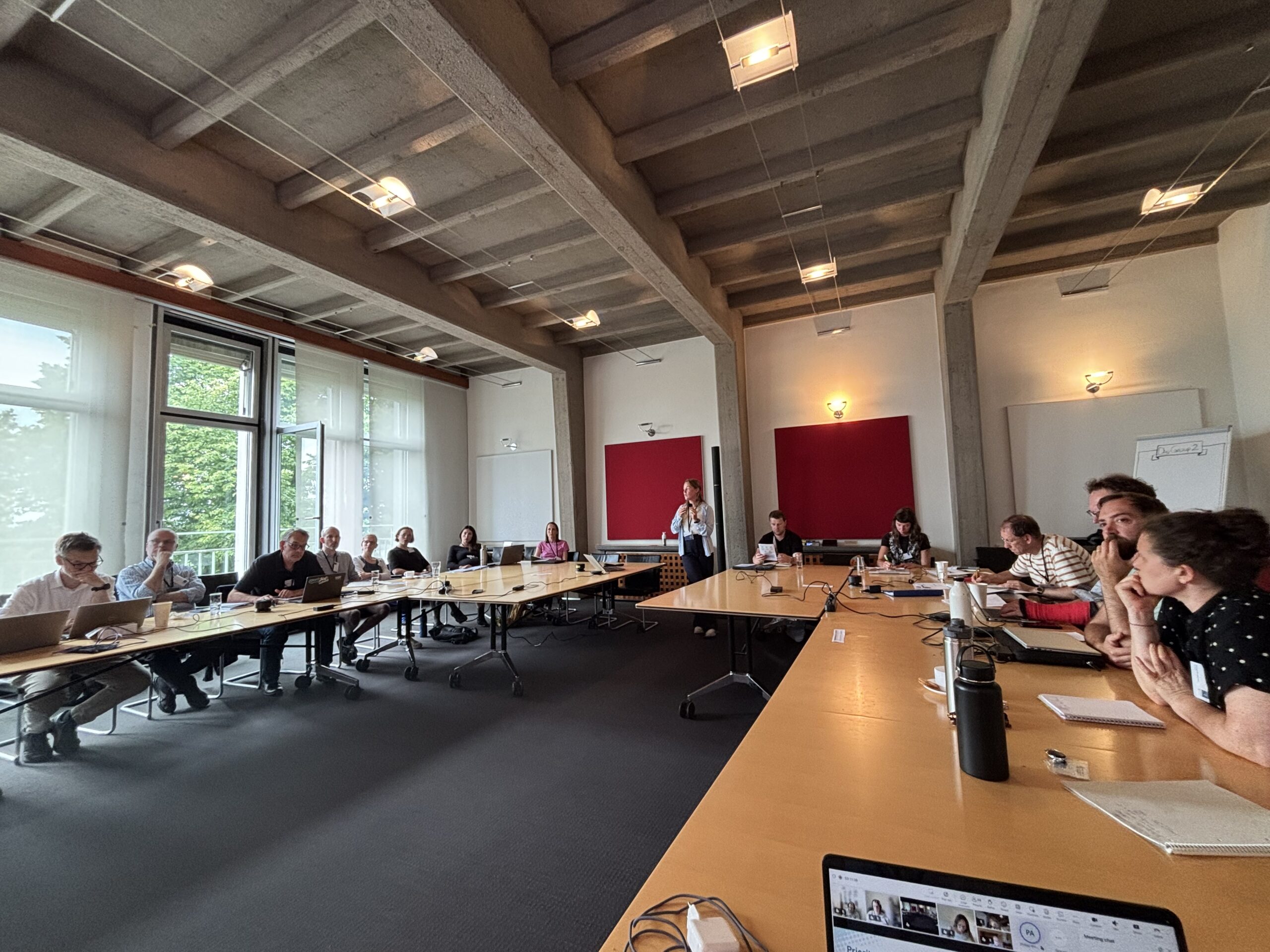
The CIA expert workshop took place from 1 to 3 July 2026 at the Federal Maritime and Hydrographic Agency (BSH) in Hamburg and was organised by the Greater North Sea Basin Initiative (GNSBI) Working Track on Cumulative Impact Assessment and the Northern European Sea Basins project, Work Package 3 Task 4. The workshop brought together experts, practitioners, policymakers and researchers working on cumulative impact assessment (CIA) in marine environments, with participation in both in-person and online formats, and was designed to strengthen collaboration, align ambitions and support the development of a shared Community of Practice (CoP). 

The workshop aimed to create an open and collaborative environment where participants can exchange experiences, identify common challenges, and jointly shape future cooperation on cumulative impact assessments.

Workshop report, main lessons learned and speaker presentations are available below.

The Hamburg workshop confirmed a shared interest in the Initiative’s goal to strengthen cooperation on Cumulative Impact Assessment in the Greater North Sea and Baltic Sea. Participants recognized that CIA can support more integrated, ecosystem-based and forward looking maritime decision-making, particularly in relation to maritime spatial planning (MSP), Strategic Environmental Assessment (SEA) and wider marine-policy objectives. The workshop also demonstrated that substantial expertise, data resources and methodological experience already exist across the region.

A key outcome was the recognition that greater alignment can add value where marine ecosystems, pressures and planned developments extend across national boundaries. At the same time, participants noted the importance of retaining flexibility for national contexts, mandates and decision-making processes. The shared ambition is therefore not necessarily to establish one common CIA method, but to improve mutual understanding, interoperability and the comparability of results where this is useful for cross-border cooperation.

The proposed Community of Practice (CoP) offers a practical basis for continued exchange between national authorities, regional organizations, scientists and policy advisers. It can support knowledge sharing, connect ongoing initiatives, identify common questions and facilitate targeted collaboration. The CoP should build on existing structures and complement, certainly not duplicate, established roles and responsibilities within organizations such as GNSBI, HELCOM, OSPAR, ICES and relevant MSP processes. A light, flexible and non-binding format was broadly supported, provided that it has clear priorities and delivers practical value for participants.


Main lessons

  • There was a consensus amongst participants to convene a CIA Community of Practice.
  • Develop an overview of CIA applications in maritime spatial planning. Establish, through the GNSBI Working Track on CIA, a clear overview, preferably in a visual format, of how CIA can be applied at different stages of MSP. This should distinguish relevant use cases, such as strategic scenario development, assessment of spatial options, identification of cumulative-pressure hotspots, comparison of alternatives, and evaluation of mitigation or management measures.
  • CIA is most effective when linked to practical decisions. Its value lies in informing strategic planning, scenario development, cross-border consultation and the consideration of cumulative pressures, rather than functioning as a stand-alone technical exercise. Early consideration of CIA within MSP and SEA processes can help ensure that it informs choices at an appropriate stage.
  • Comparable results are more important than identical tools. National and regional approaches can remain diverse, while greater coherence can be achieved through common terminology, transparent documentation of assumptions and uncertainty, compatible datasets and clearer communication of outputs.
  • Data and monitoring remain central enabling conditions. Better access to and compatibility of spatial data, pressure–impact information and monitoring results would support more consistent applications over time. Progress can be made incrementally, based on existing information and practical priorities, without waiting for complete data harmonization.
  • The science–policy interface deserves continued attention. CIA information should respond to clear policy questions, be proportionate to the decision context and communicate both insights and limitations in an accessible manner. Regular engagement with planners and policymakers can help ensure relevance and appropriate use.
  • Collaboration can improve efficiency and mutual learning. Participants identified value in sharing experience, practical cases, data approaches and lessons from national applications. Cooperation may help reduce duplication, improve understanding of transboundary issues and support more coherent regional dialogue.

Presentations

NESB project is co-funded by the European Union. Views and opinions expressed are however those of the project consortium only and do not necessarily reflect those of the European Union or CINEA. Neither the European Union nor the granting authority can be held responsible for them.

www.NESBproject.eu

Share
Facebook LinkedIn BlueSky