First-ever VASAB Directors-General Meeting held in Gdańsk
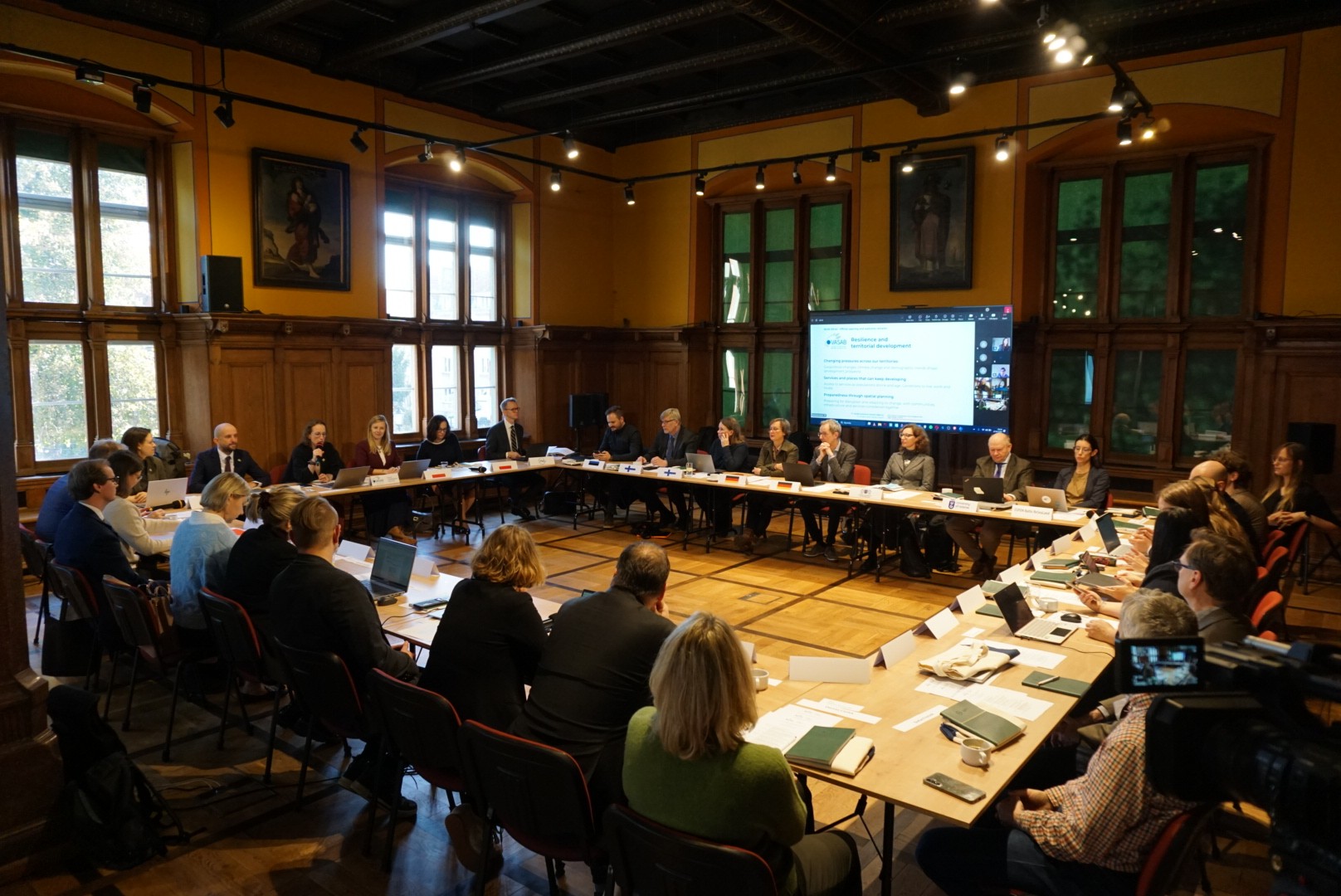
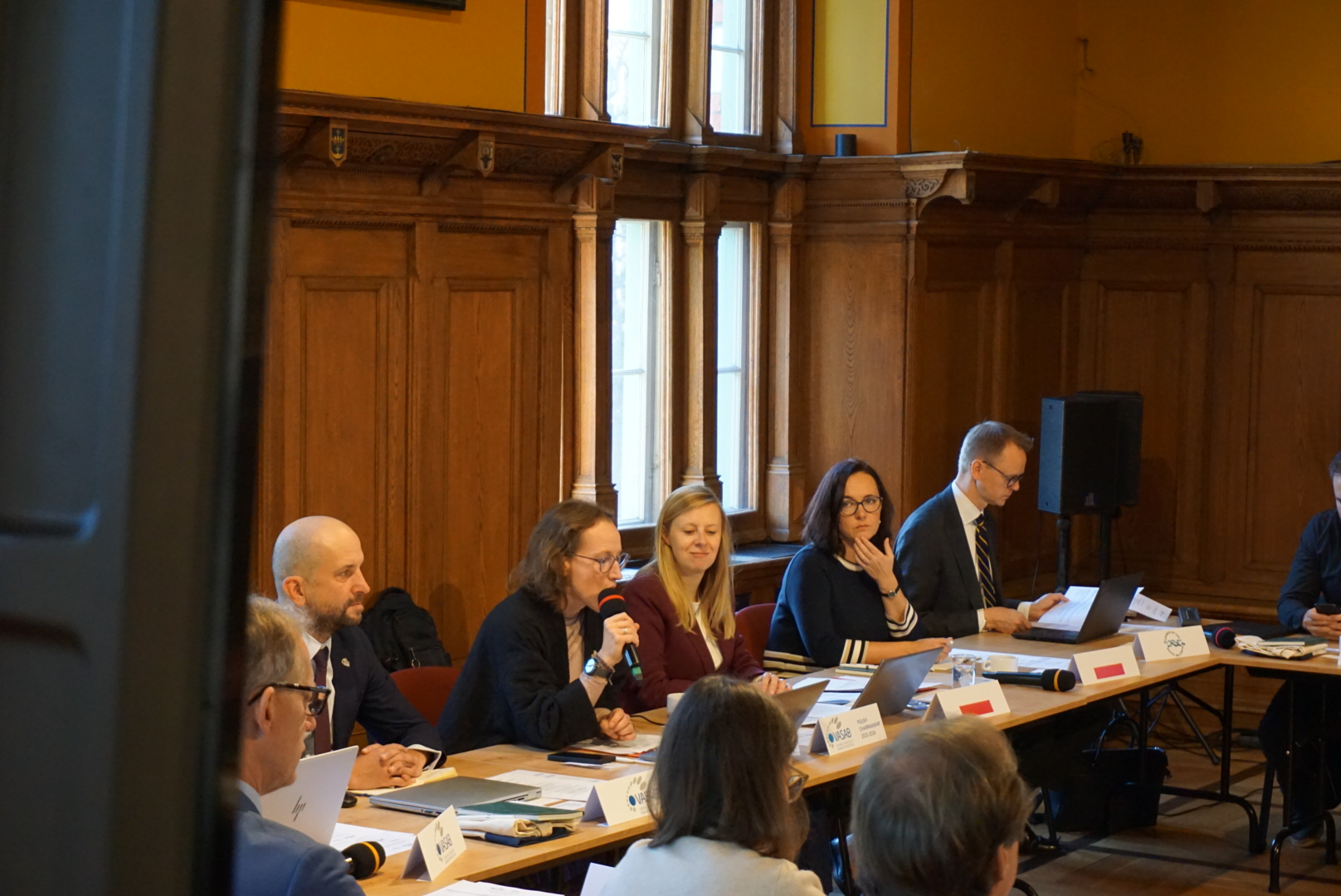
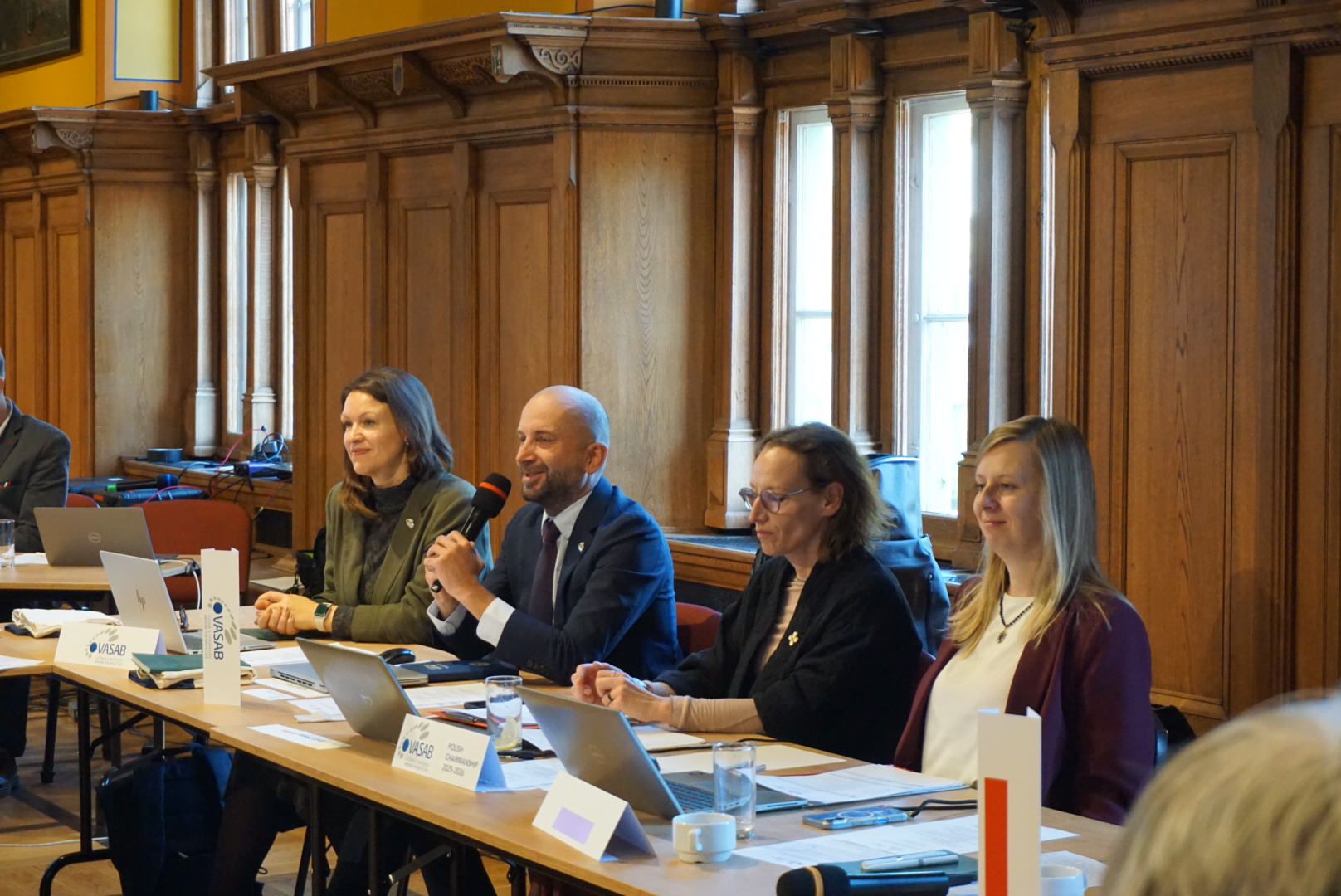
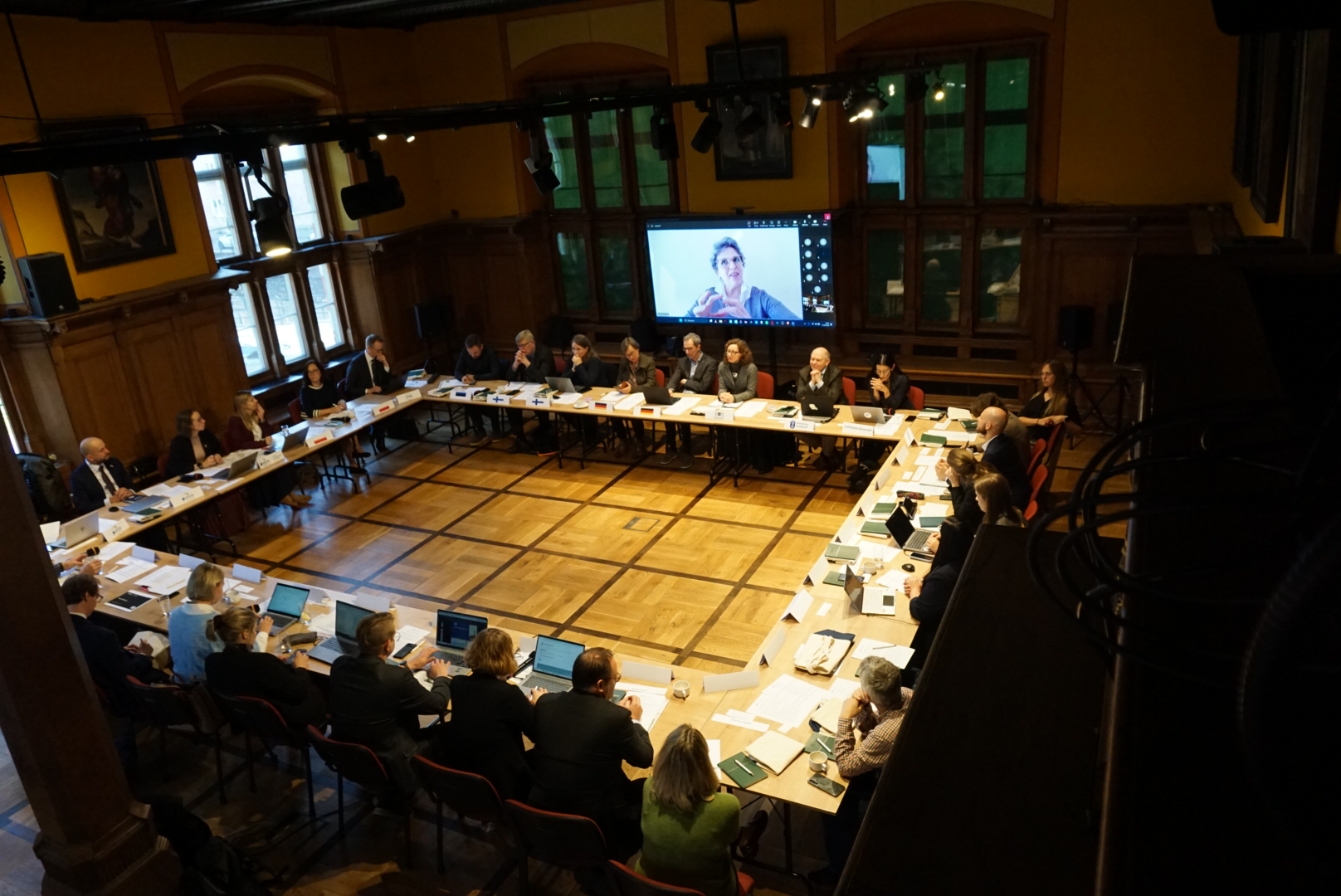
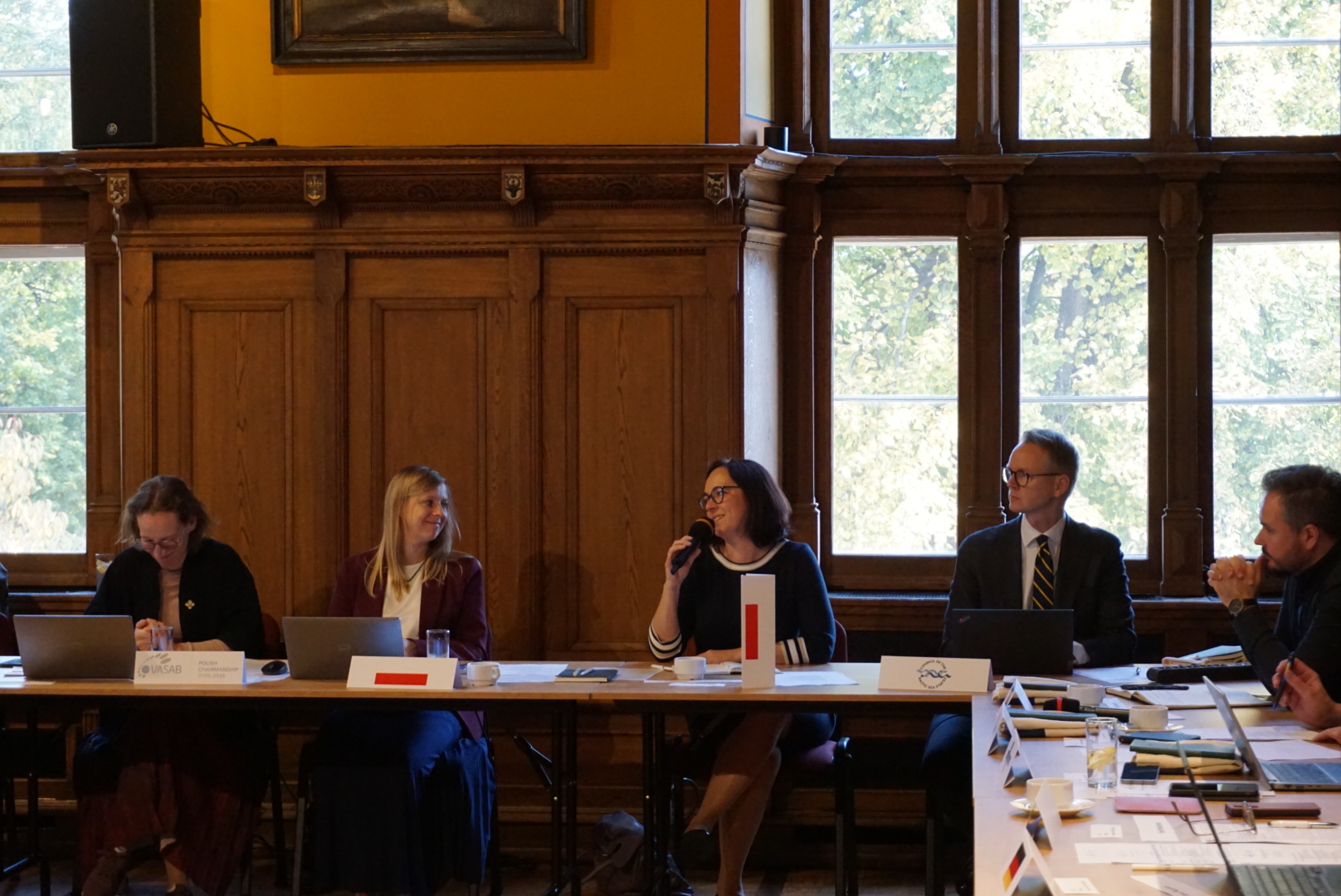
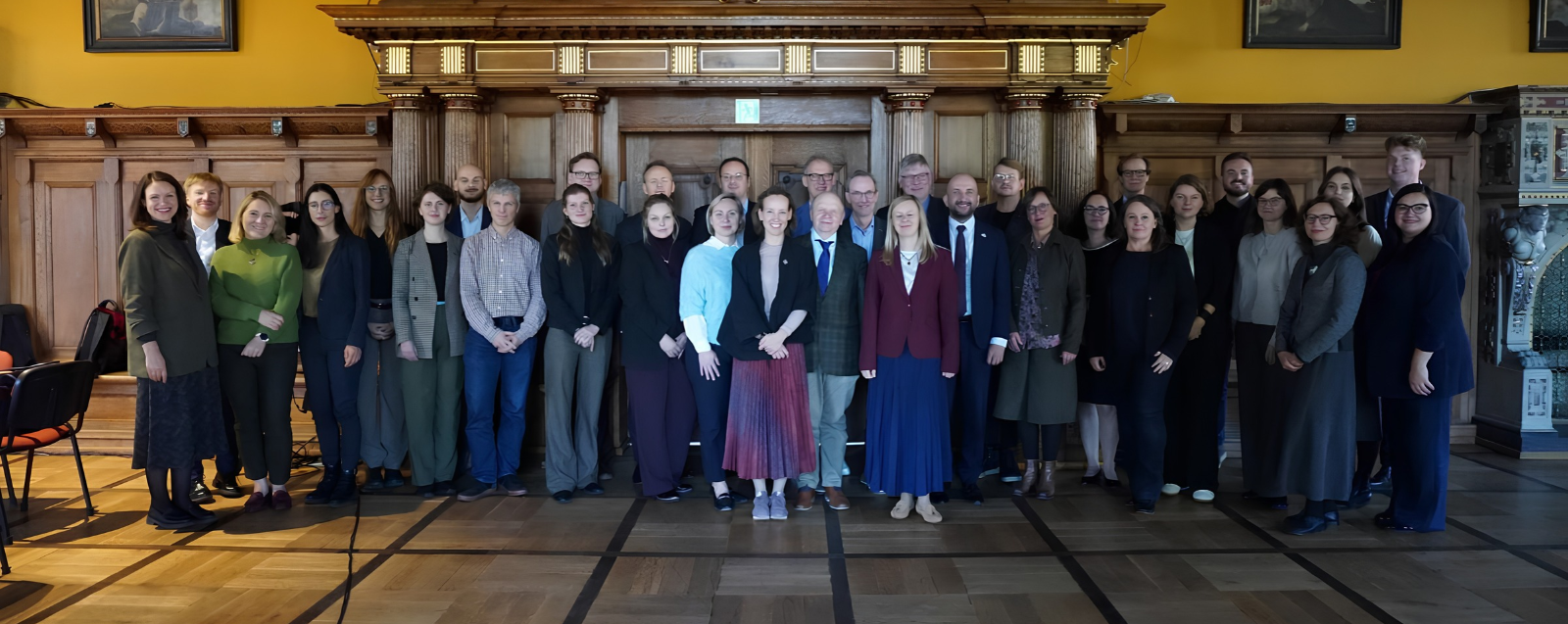
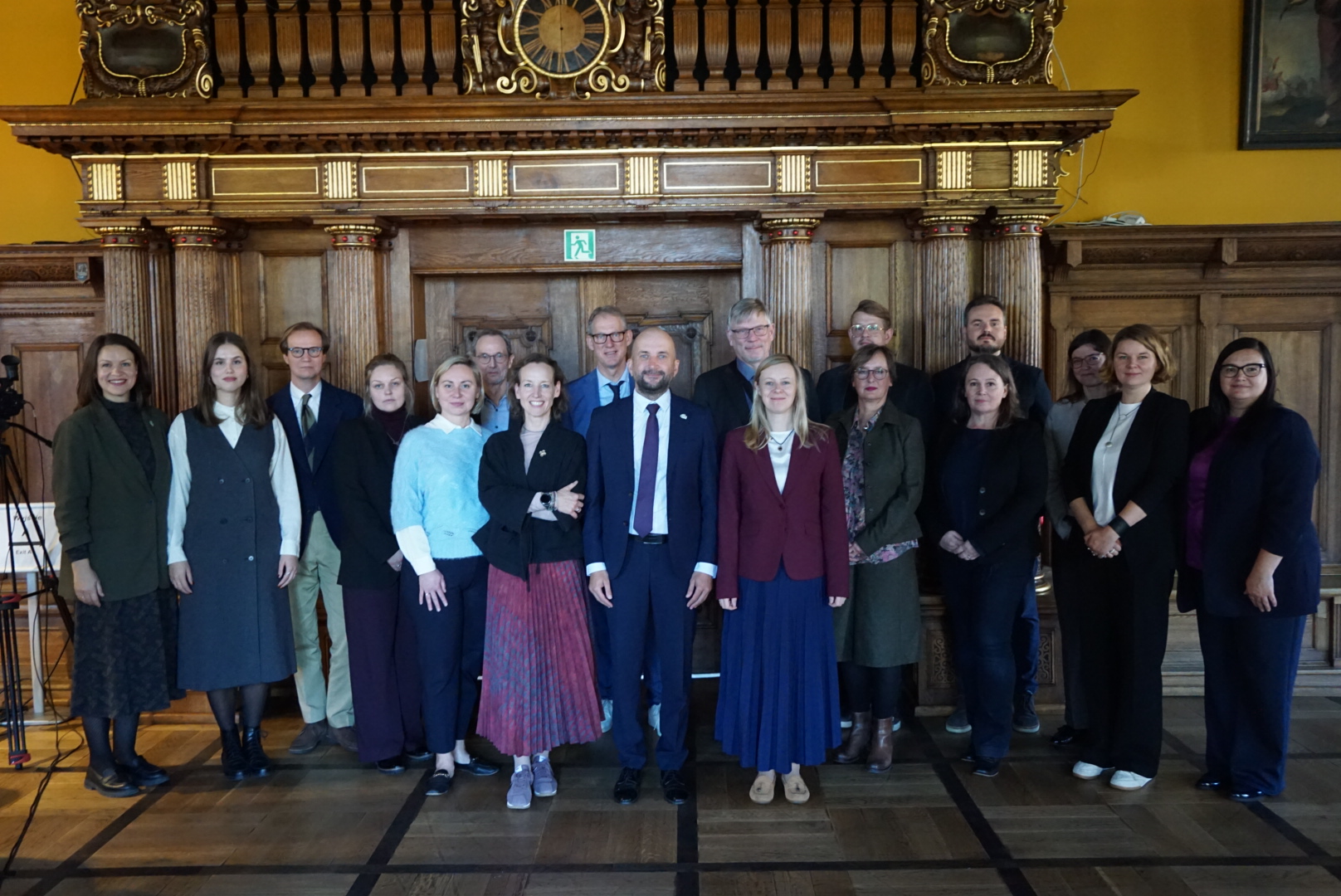
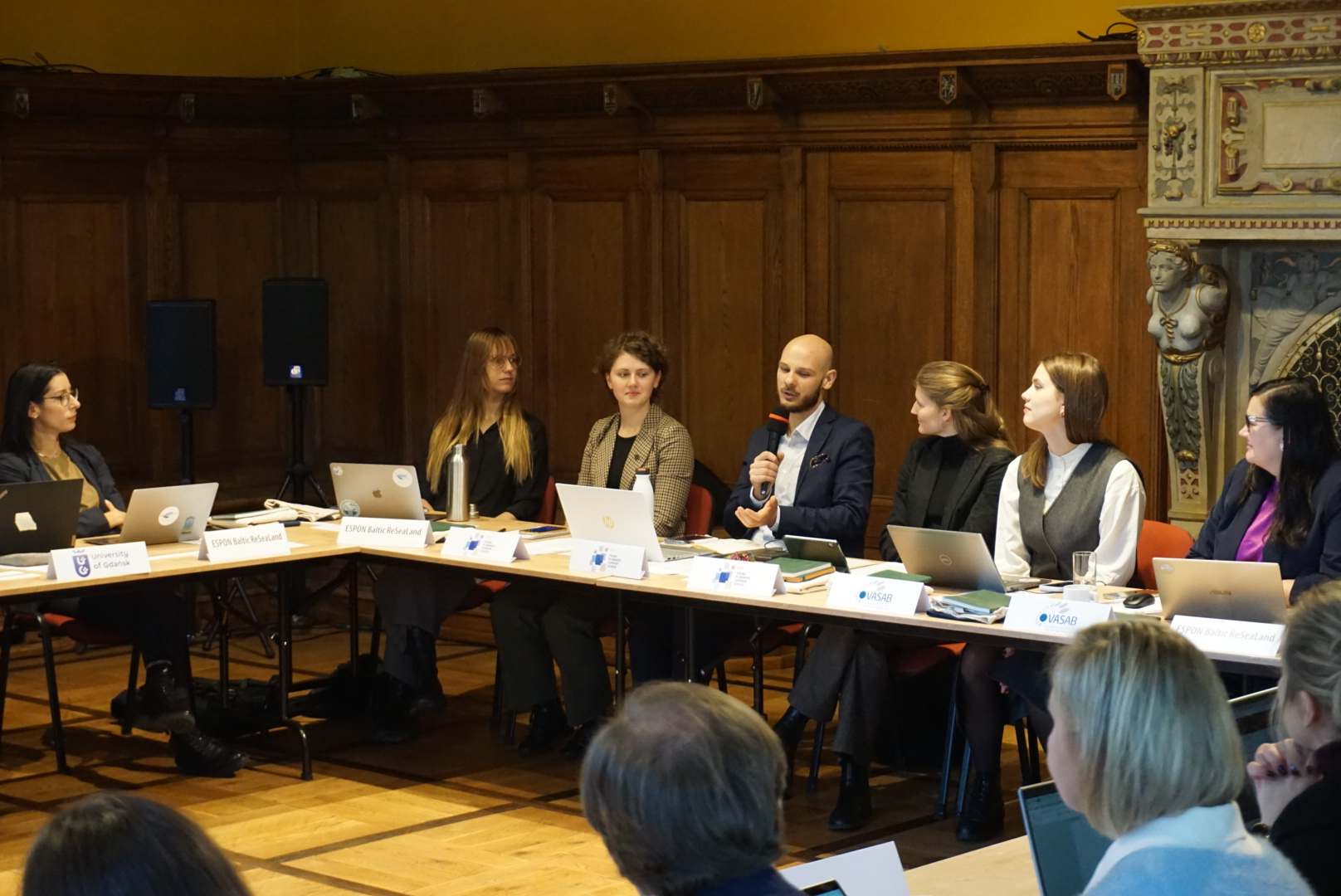
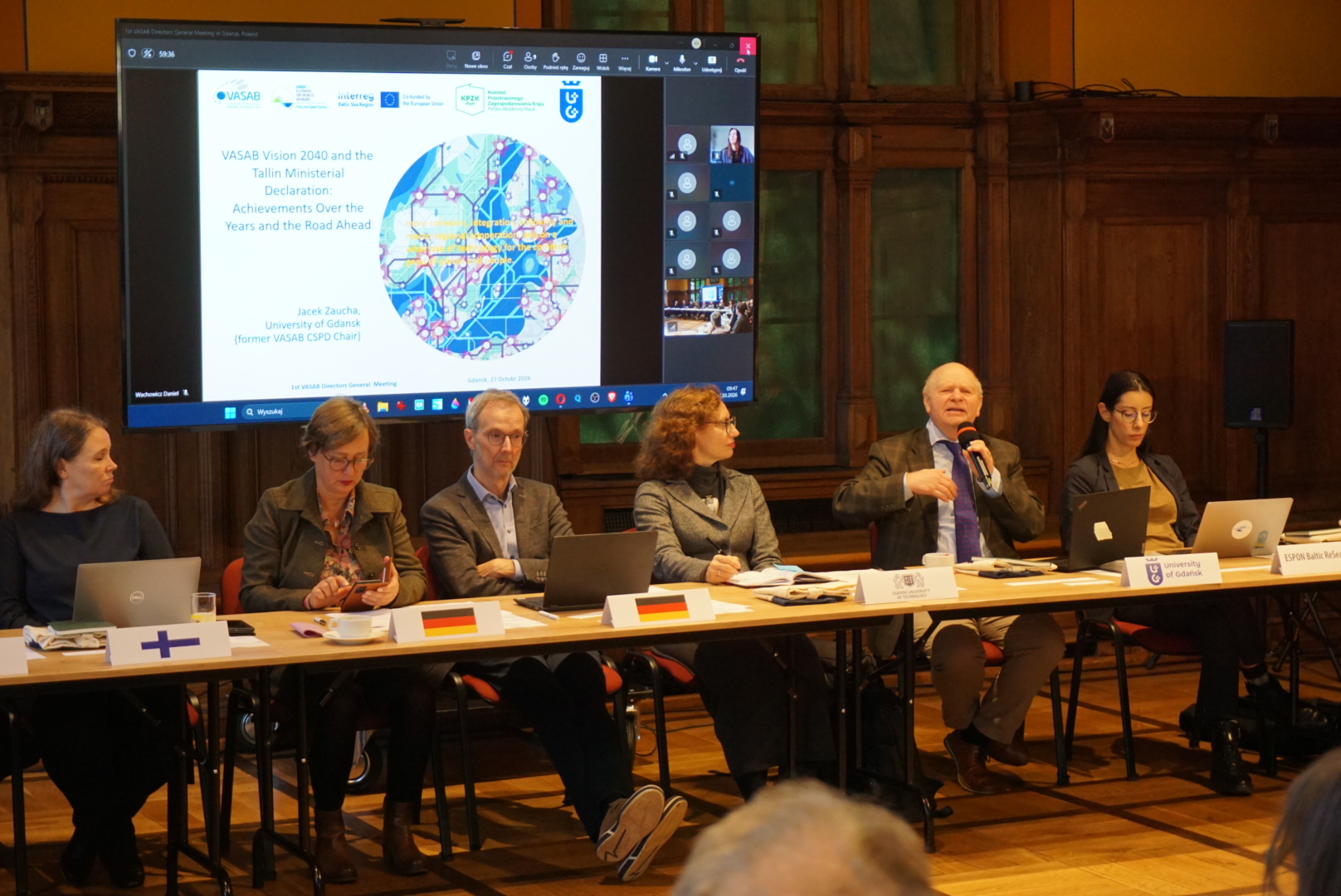
On 27 October 2026, Gdańsk hosted the first-ever meeting at the level of Directors-General responsible for spatial planning and territorial development in VASAB’s history of more than thirty years. Held as part of the VASAB Polish Chairmanship, the event focused on cooperation for territorial resilience and development in the Baltic Sea Region. Participants adopted Conclusions to support the implementation of VASAB’s shared objectives.

The meeting brought together representatives of VASAB member countries, the Secretariat of the Council of the Baltic Sea States (CBSS), Polish Ministry of Foreign Affairs, and the academic and spatial planning communities.
This new meeting format provided an opportunity to discuss how VASAB’s longstanding expert cooperation could be linked more closely to the priorities and decisions of national ministries. Delegations welcomed this form of exchange, and a proposal was made during the discussion to continue it through regular meetings.
Territorial Resilience and Cross-Border Cooperation
The main theme of the meeting was territorial resilience, one of the priorities of the VASAB Polish Chairmanship. Discussions focused on the impact of geopolitical, climate and demographic changes for the development of the Baltic Sea Region. Directors General emphasised the importance of spatial planning for effective crisis preparedness and adaptation to changing conditions.
Particular attention was given to regions along the EU’s external border, where security pressures compound demographic and economic challenges. Participants noted that resilience also depends on access to public services, transport and energy connections, and conditions that enable people to live, work and invest.
The participation of Polish Ministry of Foreign Affairs reflected strong interministerial cooperation. A representative of the Ministry shared insights from Poland’s recently concluded Presidency of the CBSS and its work under the EU Strategy for the Baltic Sea Region (EUSBSR). Bringing this perspective into VASAB’s discussions demonstrated the practical value of linking different cooperation frameworks, integrating sectoral policies and strengthening coordination across levels of governance.
Current challenges require deeper cooperation across land and sea, as well as the involvement of public authorities, experts and regional and local communities in building resilience across society as a whole.
Discussions also addressed the implementation of the VASAB Vision 2040 and the VASAB Ministerial Tallinn Declaration. Participants highlighted the role of Directors General in translating ministerial priorities into practical action and aligning VASAB’s work with national priorities and decision-making processes.
Delegations emphasised the need for better integration of land-based and maritime spatial planning and improved coordination of decisions concerning energy, transport and environmental protection. They also stressed the importance of making effective use of existing cooperation structures without duplicating their work, and of bringing experience from the Baltic Sea Region into the European debate on the future of territorial development.
Knowledge and Experience for Better Planning
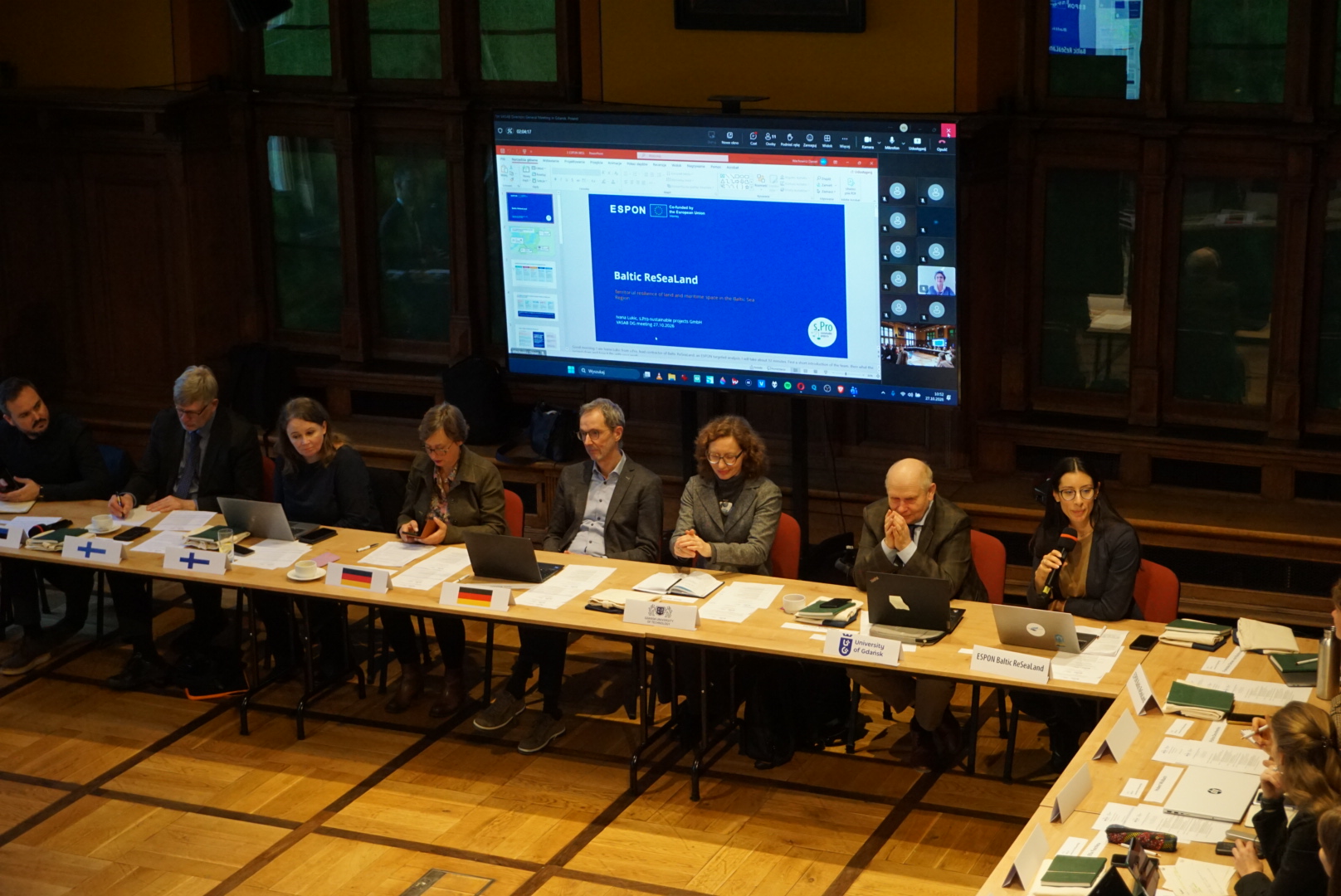
The meeting showcased VASAB’s achievements and explored opportunities to further develop cooperation. Participants discussed the scope of the ESPON Baltic ReSeaLand project, launched under the VASAB Polish Chairmanship, which will help improve understanding of the resilience of land and marine areas and the interdependencies between them. Its results, expected in October 2027, are intended to provide evidence to support spatial planning and decision-making by public authorities at different levels of governance.
Strengthening cooperation among planners was another key topic. Participants heard about the experience of the first Land-based Planners’ Forum and discussed plans to exchange practical solutions, tools and good practices, with broader participation from regional and local stakeholders across the Baltic Sea Region.
The proposals presented by the winning team from the VASAB Young Planners’ Summer School, organised by the Polish Chairmanship in August 2026, brought a younger generation’s perspective to the meeting. The proposals highlighted the importance of a sense of place, community engagement and spaces that foster cooperation in building the resilience of local communities.
A Common Direction for Future Action
Participants adopted the jointly developed VASAB Directors-General Conclusions by consensus. The Conclusions provide a common reference point for the continued implementation of the VASAB Vision 2040 and the Tallinn Ministerial Declaration.
The meeting’s conclusions also highlighted the potential to draw on the Baltic Sea Region’s experience in preparing national and regional partnership plans, connecting VASAB’s work with European cohesion policy.
VASAB has been active since 1992, bringing together countries of the Baltic Sea Region to cooperate on sustainable territorial development and spatial planning.
Photo gallery
Photo credit: Ministry of Development Funds and Regional Policy of Poland